





Birla Carbon India’s Renukoot unit recognized for advancing tribal education by the state government
On January 24, 2026, the district magistrate of Sonebhadra (UP), and minister of the Uttar Pradesh (UP) state, recognized Birla Carbon India’s Renukoot plant for its impactful contribution to the tribal education development across the surrounding remote villages. The plant received the state government award for its contributions towards various education and sustainable livelihood initiatives.
The plant’s education initiatives have been designed to address the unique challenges faced by tribal communities, including limited access to quality schooling, inadequate infrastructure and socio-economic barriers. By strengthening educational facilities, the plant has helped create an environment where tribal children can learn, grow and aspire.
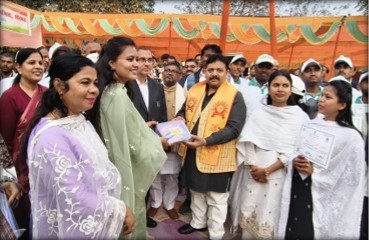
(From L – R): Employee of Birla Carbon India (Renukoot); Chairman, Municipal Corporation, Sonebhadra (UP); DPRO, Sonebhadra (UP); District Magistrate, Sonebhadra (UP); District President (BJP); Minister of State (UP)
Sharing his thoughts on this award, the plant head, Birla Carbon India, Renukoot plant mentioned, “This award reflects the dedicated efforts of our team and our focus on contributing positively to the community. It inspires us to continue our journey towards educational and sustainable development, and I would like to thank the entire team who worked hard in making this recognition a reality.”
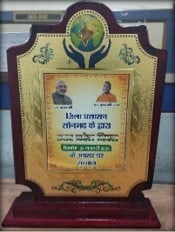
True to the Aditya Birla Group values, the Renukoot plant has worked closely with local communities, educators and government authorities to ensure that development efforts are sustainable and community-driven.
While acknowledging the initiative, the district magistrate appreciated Birla Carbon’s transparent and committed approach, noting that the program has uplifted educational standards and has also built trust within the community. The ripple effect of these education-led initiatives has strengthened social cohesion, enhanced opportunities for future livelihoods and contributed to the overall progress of the region.