





Birla Carbon Spain drives first full scale use of an Innovative Sustainable Asphalt made with Carbon Black by products
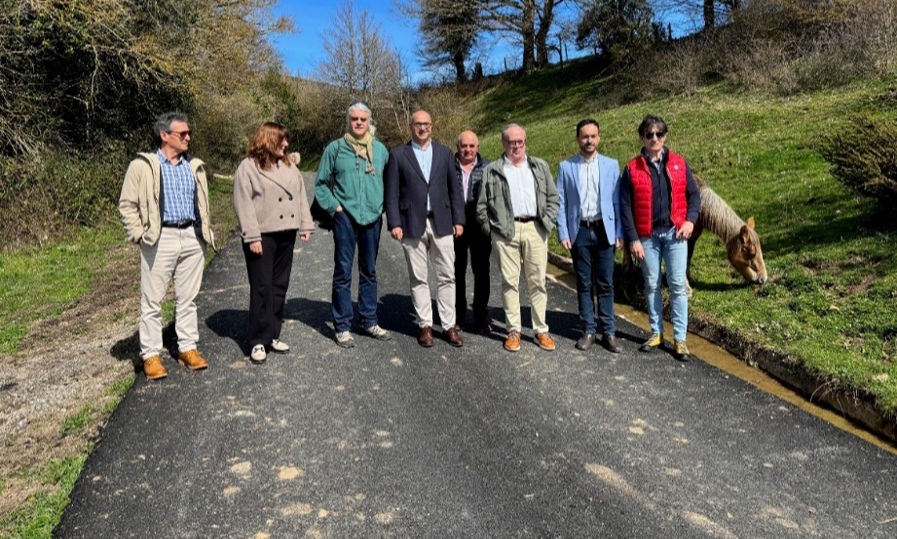
In March 2026, Birla Carbon Spain (BCS) accomplished a major circular‑economy milestone by enabling the Campoo de Yuso Town Council to become the first municipality to apply an innovative sustainable asphalt road, formulated from industrial by‑products, generated in the production of carbon black, at full scale. The council has completed the paving of the road from Monegro to the Virgen de las Nieves hermitage, including a parking area, using this new asphalt mixture.
This pioneering project is the result of technology transfer from an ambitious R&D and innovation initiative launched three years ago by the Cantabrian plant at BCS, engineering firms and the Transport Department of the University of Cantabria, with support from the Centre for the Development of Industrial Technology (CDTI).
The initial goal of BCS was to transform waste from its production process into a useful construction ingredient. “By turning a by‑product into a resource for real infrastructure, we demonstrate that sustainable innovation can generate concrete benefits for communities and industry,” explains the compliance manager, Birla Carbon Spain. “The collaboration with SPC, the University of Cantabria and the Campoo de Yuso Town Council is an example of how joining forces can drive a more efficient, responsible and resilient future,” he added.
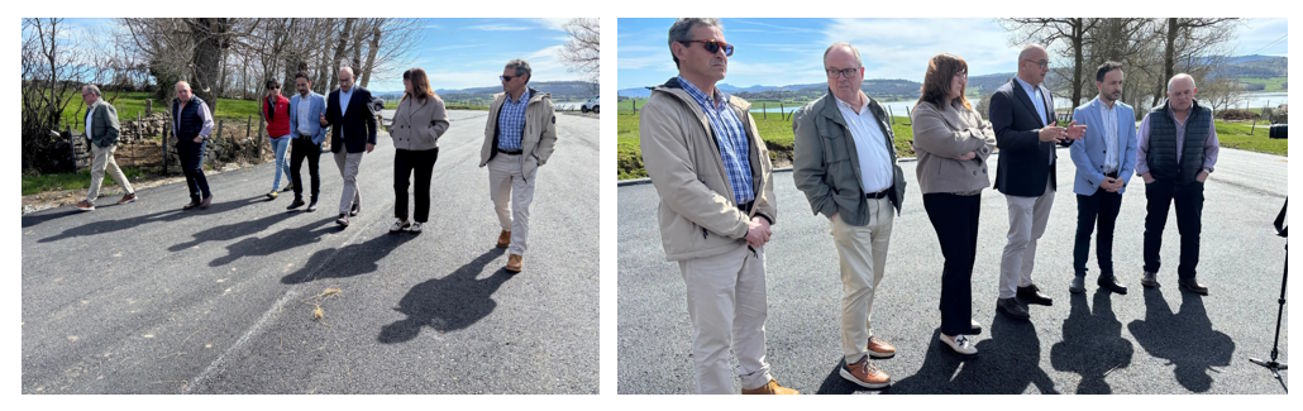
Salient features of the project –
- The carbon black by-product was applied to a parking area covering 520 square meters.
- The same amount of material is used as with conventional asphalt, since it is a direct replacement. In this case, 550 kgs was applied.
- The main benefit is the by-product is diverted from landfill, giving the material a second life and contributing to a more sustainable and circular use of resources.
For the Town Council, this initiative showed how rural areas can lead ecological transition. The councilor for the environment and the driving force behind the project at the municipal level, highlighted that “It is a source of pride for the government team, led by the regionalist to showcase a cutting‑edge reference point in a rural setting. Innovation is not only found in big cities, but also in the will and vision of those of us who strive to improve the quality of life of our neighbors in rural areas.” She also expressed her hope that “This case will serve as inspiration for other municipalities to see the opportunities that lie behind innovation in all its dimensions.”
Meanwhile, the CEO of the engineering firm stressed that this is an example of complete technology transfer. “Unlike many research projects that never materialize, coordination between the local administration and the companies has made it possible to bring this development to life.” He further added, “After the road improvement project was awarded, we coordinated immediately with the Town Council to include in this work a full‑scale test section, and we can proudly say that we are the first engineering company to specify the new bituminous pavement in an execution project that is finally built.”